Alibaba's Qwen dominates Korea-linked AI derivatives, raising questions over Seoul's sovereign AI ambitions
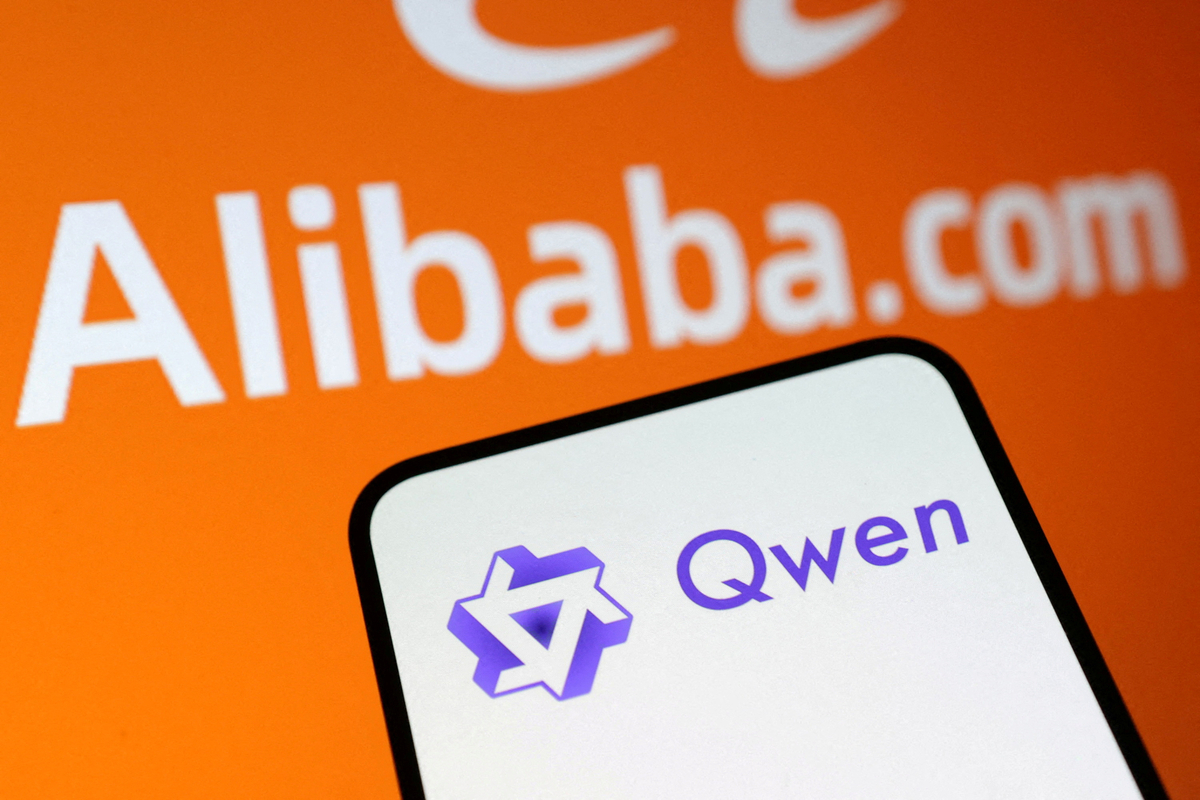
Nearly half of the artificial intelligence models released by South Korean developers this year were built on Chinese technology, led overwhelmingly by Alibaba's Qwen, according to a new study that raises questions about the country's efforts to develop its own AI models.
The report, released Friday by private think tank Rockbridge Network Korea and authored by Hanyang University business professor Choi Seong-jin, examined how Chinese AI is being used in Korea through developer activity, app usage and corporate surveys.
Of the 1,845 AI model derivatives published by Korea-linked accounts on global model-sharing platform Hugging Face between January and August, 49.3 percent were based on Chinese foundation models. US models accounted for 35.9 percent, while Korean models clocked 14.9 percent.
The Chinese share has rapidly climbed from just 1.2 percent in 2023 and 22 percent last year. Over the same period, the US share fell from 79.5 percent.
Qwen alone accounted for 864 derivatives, or 46.8 percent of this year's total, far ahead of Google's Gemma at 14.7 percent and Meta's Llama at 13.8 percent.
Among Korean-developed models, LG AI Research's Exaone ranked fourth with 171 derivatives, or 9.3 percent of the total, followed by Kakao's Kanana in sixth place with 49, or 2.7 percent. Together, Korean foundation models accounted for just 14.9 percent of new releases, less than one-third of Alibaba's Qwen alone.
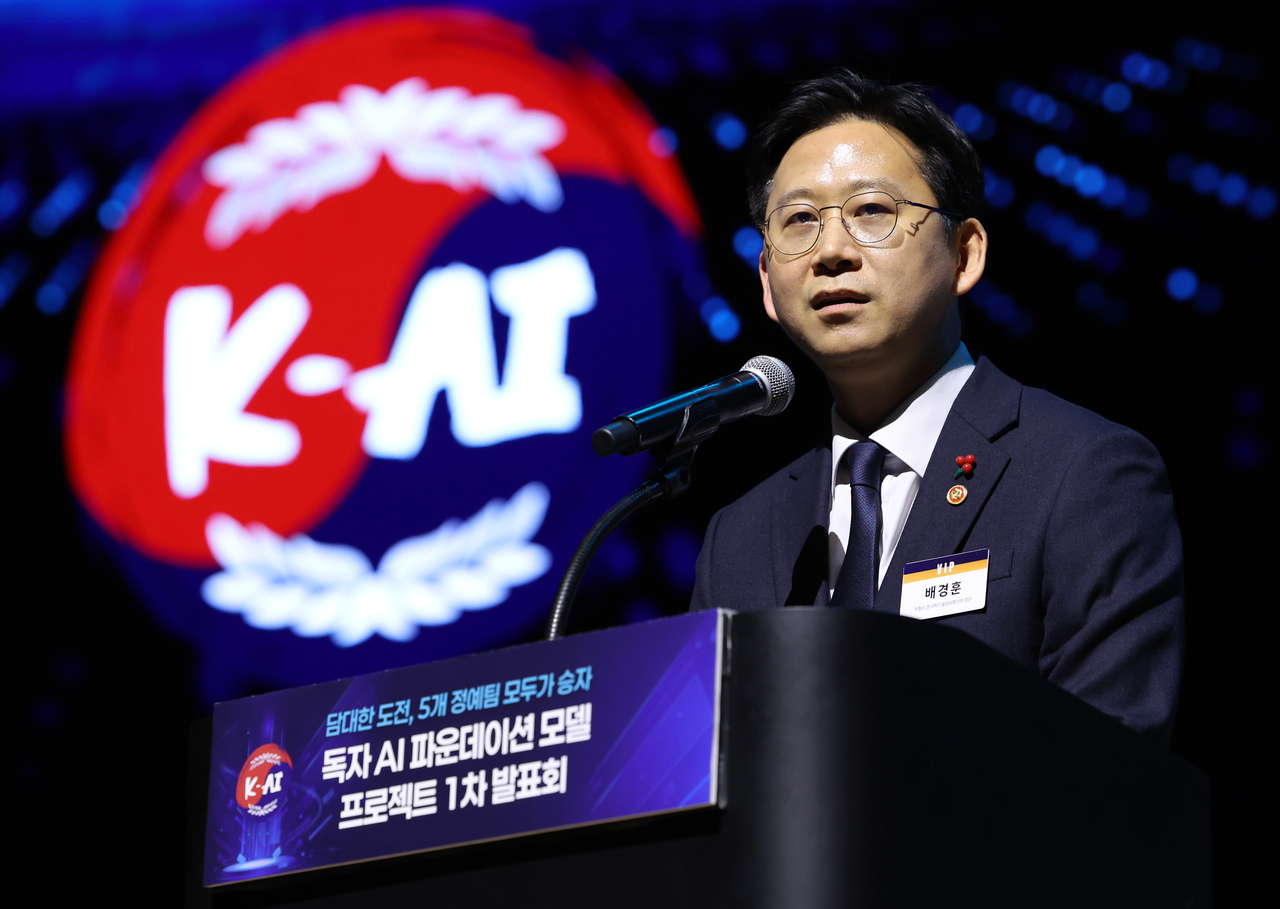
The findings raise questions about South Korea's government-backed sovereign AI program, which has received some 200 billion won ($151 million) in support to develop homegrown alternatives to foreign models. LG AI Research, SK Telecom and startup Upstage advanced to the next stage in August, after Naver Cloud was eliminated earlier this year for using components from Alibaba's Qwen model, failing to meet the program's technology independence requirements.
Chinese models are already heavily used in some Korean AI services, particularly where operating costs matter. "We mainly use Chinese models such as Qwen and DeepSeek for services with high user traffic," said an official at a Korean AI startup.
Qwen's appeal also extends beyond price. The report cited its wide range of model sizes, support for 119 languages and readily available development tools that make it easier to customize.
Chinese AI's popularity among Korean developers is largely absent from conventional usage figures. No Chinese chatbot ranked among Korea's 10 most-used AI apps in July, and researchers found no references to Chinese models in roughly 1,900 public GitHub repositories belonging to 36 major Korean companies.
The report said these figures offer an incomplete picture because developers can download Chinese models and use them without relying on Chinese companies' online services. "Simply blocking access to Chinese AI services does not mean Chinese AI is no longer being used," it said.
Security does remain a concern. In a survey of 102 small and midsized businesses, 80.2 percent cited fears of data leaks, compared with 31.3 percent concerned about model performance and quality.
The report also warned that relying too heavily on a single model could leave developers vulnerable if its provider changes licensing terms or stops releasing new versions.
"For Korean open models to gain traction among developers, performance alone is not enough," Choi wrote. "They also need commercially viable licenses, a range of model sizes and the tools developers need to customize them."
mjh@heraldcorp.com